



The European Union has successfully walked again its deliberate 2035 ban on new inner combustion engine gross sales, undoing one of the vital inflexible assumptions shaping Europe’s automotive future. With regulators now permitting a number of paths to satisfy emissions targets, the outlook for BMW and its long-term powertrain technique has all of the sudden turn into way more versatile.
For BMW, this shift reinforces a philosophy the corporate has quietly championed for years. Alternative over mandates. Engineering over ideology. And progress guided by clients moderately than politics.
Beneath the newly negotiated framework, producers will now be required to cut back fleet CO₂ emissions by 90 % in contrast with 2021 ranges by 2035. Crucially, that focus on now not presumes a single technological answer. Battery electrical autos stay central, however plug-in hybrids, artificial fuels, and even combustion engines working on low-carbon fuels at the moment are explicitly a part of the equation.
The reversal displays mounting strain from Europe’s main car-producing nations and business leaders, who argued the unique mandate did not account for uneven EV demand, persistent charging infrastructure gaps, and intensifying world competitors, significantly from Chinese language EV producers. Beneath the revised strategy, autos with inner combustion engines can proceed to depend towards fleet targets supplied total emissions are contained, with credit out there for biofuels, renewable vitality inputs, and low-carbon supplies.
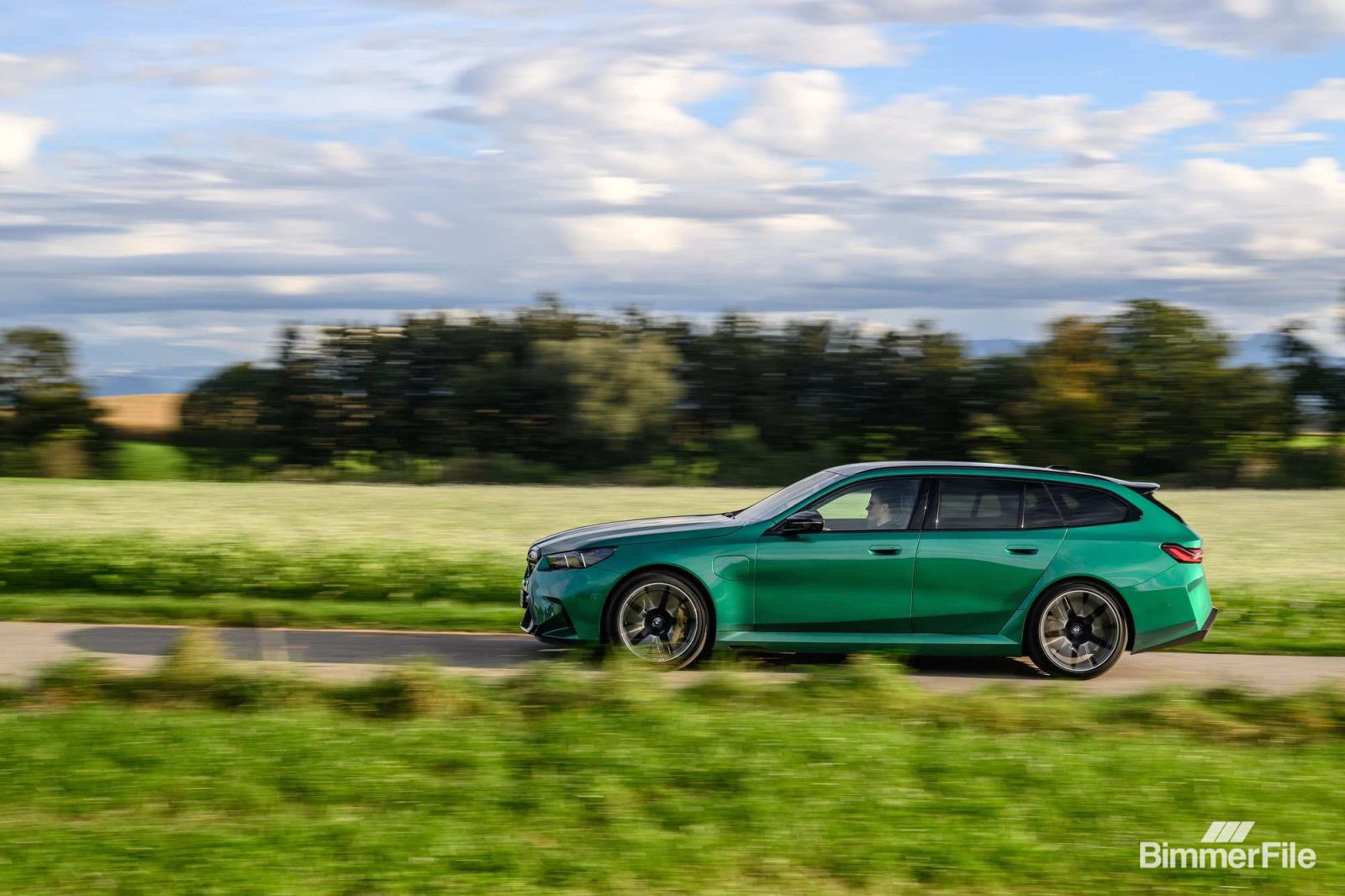
BMW’s Technique Instantly Appears Forward of Its Time
For BMW Group, this coverage shift validates a method that was by no means constructed round absolutes. BMW’s long-standing energy of alternative strategy intentionally averted betting the corporate on a single drivetrain or regulatory final result. As an alternative, BMW invested in parallel improvement of combustion, hybrid, and totally electrical platforms, permitting the model to adapt to regional realities moderately than forcing clients into one answer.
That flexibility permits BMW to reply intelligently to native rules, infrastructure readiness, and real-world shopping for conduct whereas persevering with to drive down fleet emissions. It preserves important combustion and hybrid experience, helps continued funding in next-generation EV architectures like Neue Klasse, and retains BMW resilient in a market the place political timelines and shopper adoption not often transfer in sync.
What some as soon as dismissed as hedging now appears extra like foresight. BMW didn’t gradual the transition to electrification. It future-proofed it.

What This Might Imply for Future BMW Fashions
BMW’s product roadmap over the subsequent decade now has way more respiration room. Whereas Neue Klasse will outline the model’s electrical future, the diluted 2035 ban means combustion and hybrid fashions now not face a politically imposed cliff edge.
As an alternative of racing towards a hard and fast deadline, BMW can evolve its lineup primarily based on buyer demand, technological maturity, and regional circumstances.
In sensible phrases, that would imply:
• Core BMW combustion fashions persevering with in Europe nicely into the 2030s alongside electrical equivalents
• Plug-in hybrids enjoying an expanded position as a bridge know-how, significantly in efficiency and long-distance segments
• Future combustion engines more and more optimized for artificial fuels and biofuel compatibility to cut back lifecycle emissions
Importantly, this removes one of many largest strategic constraints going through BMW’s product planners. As an alternative of reacting to regulation, BMW can lead with engineering and let clients resolve how rapidly the transition unfolds.
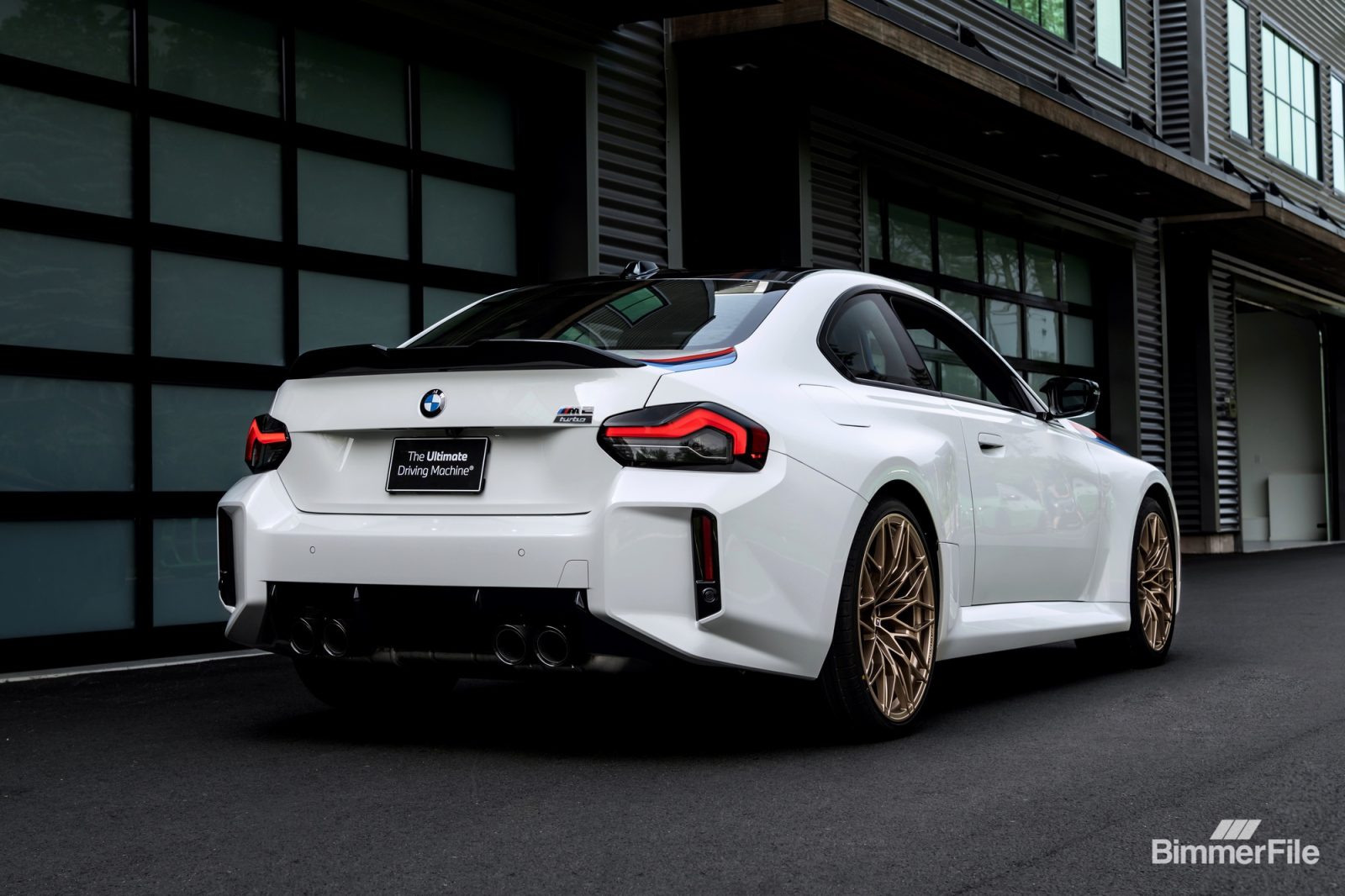
A Extra Nuanced Street to Decarbonisation
Critics of the unique 2035 ban warned it risked alienating consumers who weren’t prepared or capable of swap to EVs, significantly in rural areas or markets with restricted charging infrastructure. Supporters of the revised plan argue it strikes a extra real looking stability between emissions discount, technological range, and shopper readiness.
From BMW’s perspective, this second underscores why flexibility was all the time central to its technique. Electrification stays non-negotiable, however the path to it doesn’t have to be singular. By protecting a number of powertrain choices viable, BMW protects its clients, preserves its engineering depth, and maintains the flexibility to adapt as know-how and infrastructure evolve.
Europe remains to be shifting towards dramatically decrease emissions. However the highway there now appears much less absolute and way more pragmatic. For BMW, which may be an important improvement of all.
